Why Do Electronic Circuits Fail? Common Design-Level Problems and Prevention
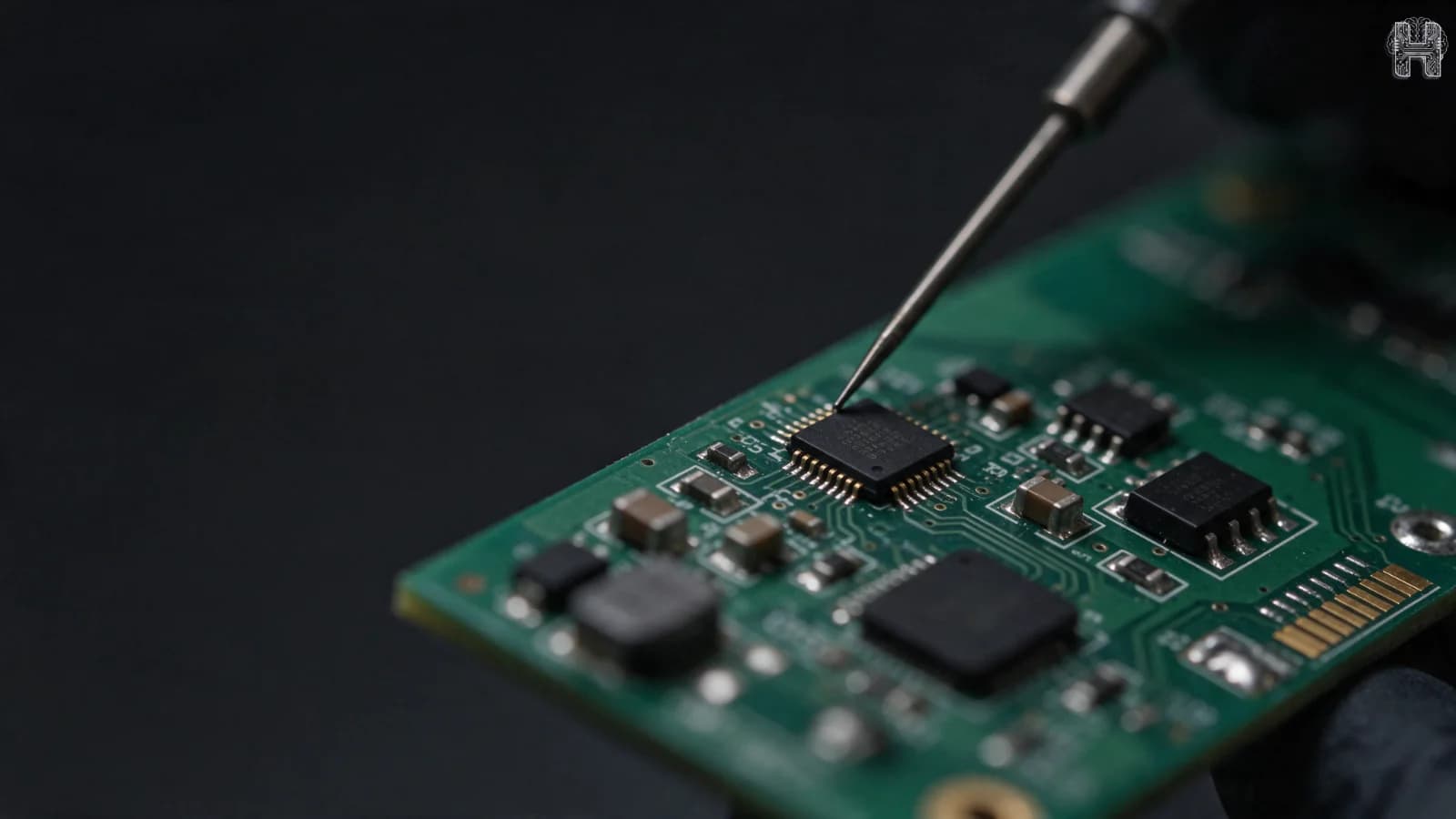
Electronic circuits are designed to perform specific functions, but even small design mistakes can lead to unexpected failures. From incorrect component selection to overheating and poor PCB layouts, several factors can affect the performance and reliability of electronic systems. Understanding the causes of electronic circuit failure is essential for building reliable hardware and preventing costly redesigns.
With advancements in AI-powered electronic circuit design, platforms like Helektron.ai are making circuit development more accessible by helping users generate electronic designs and simplify the design process.
What Causes Electronic Circuit Failure?
Electronic circuit failure occurs when a circuit stops functioning as intended because of electrical, thermal, mechanical, or design-related problems. Some failures happen during operation, while others originate during the initial design stage.
Common causes of circuit failure include incorrect component selection, improper power supply design, excessive heat, poor grounding, and PCB design errors. Identifying these issues early can help improve circuit reliability and reduce manufacturing problems.
7 Common Electronic Circuit Design Mistakes
Understanding common PCB problems and design-level errors can help engineers prevent failures before fabrication.
1. Incorrect Component Selection
Choosing components with unsuitable voltage, current, power, or temperature ratings can lead to electronic component failure. Engineers must evaluate component specifications and operating conditions before using them in a circuit.
2. Poor Power Supply Design
An unstable power supply, incorrect voltage levels, or insufficient current capacity can affect circuit performance. Proper voltage regulation and power distribution are essential for reliable operation.
3. Inadequate Thermal Management
Why do circuits overheat? Excessive power dissipation, insufficient cooling, and poor component placement can cause heat to accumulate. Thermal management and appropriate component derating help reduce overheating risks.
Incorrect trace routing, insufficient spacing, poor component placement, and unsuitable grounding can create electrical problems. These PCB design errors may affect signal quality and overall circuit performance.
5. Improper Grounding
Poor grounding can introduce electrical noise, unstable voltage references, and unwanted current paths. A carefully planned grounding strategy helps maintain circuit stability.
6. Insufficient Circuit Protection
Without suitable protection against overcurrent, overvoltage, and reverse polarity, sensitive electronic components may become damaged. Protection circuits help reduce the risk of unexpected failures.
7. Lack of Design Verification
Skipping design checks can allow incorrect connections, unsuitable component values, and layout issues to remain undetected. Electronic circuit design verification helps identify potential problems before manufacturing.
How to Prevent Electronic Circuit Failure
How do you prevent circuit failure in design? Start by reviewing component datasheets, checking electrical ratings, and ensuring that the circuit meets its operating requirements.
Engineers should also consider thermal performance, grounding, PCB routing, and circuit protection. Design verification and testing are equally important because a schematic or PCB layout that appears correct may still behave differently under real operating conditions.
Component derating, which means operating components below their maximum rated limits, can also improve reliability by providing additional operating margins.
To prevent electronic circuit failure, build these habits into your workflow:
· Define requirements and operating conditions before drawing the schematic.
· Apply derating rules to every critical component.
· Run electrical rule checks and design rule checks on every revision.
· Review power, thermal, and protection circuits separately.
· Use a structured review checklist before release.
How Helektron.ai Helps Improve Circuit Design
Preventing circuit design mistakes starts with a better design process. Helektron.ai brings AI into electronic circuit and PCB design through a browser-based platform that helps users turn their ideas into electronic designs without downloading traditional desktop software.
Helektron.ai brings AI-powered electronic circuit design into the workflow, so reliability is checked as the design takes shape rather than after a failure.
- Electronic circuit design verification: Helektron.ai reviews your schematic for common design flaws such as missing decoupling, floating inputs, and mismatched voltage levels.
- Automated PCB design checks: Rule-based and AI-driven checks flag derating violations, thermal risks, and protection gaps before they reach fabrication.
- PCB design validation: Each design is validated against your stated requirements, which reduces costly respins.
- AI schematic generator: Turn circuit requirements into a structured starting design, then verify it with the same engine.
For further details contact Team Helektron at +91 87965 06854
Read- Can Beginners Use AI for Electronic Circuit Design?
Create you circuit now by clicking directly on- chat.helektron.ai
Visit website- Helektron.ai
Frequently asked questions
What is the most common cause of electronic circuit failure?
Common causes include incorrect component selection, power supply problems, overheating, poor PCB layout, and insufficient circuit protection.
What causes a PCB to fail?
PCB failure can result from manufacturing defects, damaged components, excessive heat, incorrect routing, electrical overstress, or poor design decisions.
Can AI detect circuit design errors?
AI-powered design tools can assist with circuit generation and identifying potential design issues when supported by appropriate verification capabilities. However, engineering review and physical testing are still necessary.