BOM Cost Reduction: 6 Proven Ways to Cut Your PCB Bill of Materials
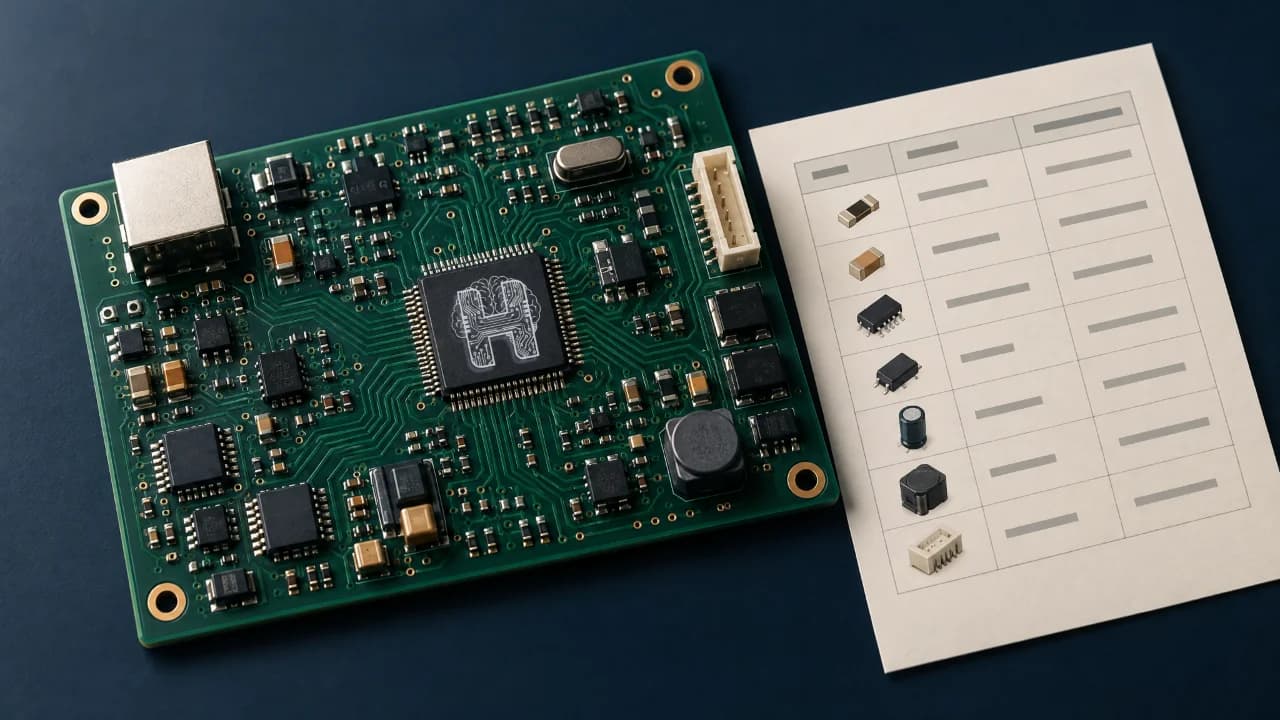
Reducing the cost of electronics development begins with making smarter choices about components, sourcing, and circuit design. A PCB Bill of Materials (BOM) is a list of all the parts needed to make a printed circuit board, such as resistors, capacitors, integrated circuits, connectors, and other electronic components.The cost of these components can have a major impact on the overall production budget.
PCB BOM cost reduction is not just about buying cheaper parts. It involves selecting the right components, reducing unnecessary complexity, and improving the design process while keeping performance and reliability consistent.Tools like Helektron.ai, which use AI, help engineers find more efficient design methods and make intelligent component decisions.
Why Is BOM Cost Reduction Important in PCB Design?
A well-organized BOM allows engineers to track component needs, compare pricing, and plan procurement more effectively. Poor component choices, unnecessary variations, and limited sourcing options can lead to higher costs and production delays. Effective BOM optimization reduces procurement expenses, simplifies inventory management, and boosts manufacturing efficiency. For startups, electronics manufacturers, students, and hardware teams, even small improvements in component selection can make a real difference, especially when making multiple boards.
6 Proven Ways to Reduce PCB BOM Costs
1.Choose Cost-Effective Component Alternatives One of the best ways to cut electronic component costs is to compare components with similar electrical properties from different manufacturers. Components may have the same function but vary in price, availability, and order requirements. However, it is crucial to check if alternatives meet specific requirements like voltage ratings, current limits, tolerance, package size, temperature range, and reliability. The cheapest option is not always the best. Using AI for component selection can help engineers find suitable alternatives more quickly, but it is important to double-check these options against manufacturer datasheets and the project’s design needs.
2.Reduce Unnecessary Component Variety Using too many types of components can complicate procurement and increase inventory costs. Where possible, standardizing commonly used parts like resistors, capacitors, and connectors can make purchasing easier. This approach can also help manufacturers merge orders and manage fewer different components. However, any component change must still meet the circuit's electrical and mechanical needs.
3.Avoid Over-Specifying Components Selecting components with specifications well beyond what the design really needs can unnecessarily increase costs. For example, a component with a much higher power rating or tighter tolerance may cost more than a suitable alternative. Before making changes, engineers should consider the actual operating conditions, safety margins, and reliability needs of the circuit. A careful evaluation of component specifications is a key way to lower costs without harming product quality.
4.Compare Suppliers and Component Availability Component prices vary depending on the supplier, order quantity, availability, shipping, and market conditions. Comparing authorized distributors and checking the lifecycle status of components can help avoid costly last-minute changes. A good sourcing strategy takes into account the total cost, not just the price per unit. Components that are hard to find or close to becoming obsolete can lead to extra expenses during production.
5.Optimize the Design Before Manufacturing Design choices affect both component costs and assembly complexity. Reviewing the circuit for unnecessary parts, redundant components, connector options, and assembly needs can uncover cost-saving opportunities. It is best to work on BOM optimization early in the design process. Making changes later may require revisions to the schematic, PCB layout, and additional testing.Before finalizing the board, engineers should also consider design-for-manufacturing requirements.
6.Use AI for Smarter Component Selection and BOM Creation An AI-enabled PCB design tool can support electronics development by helping with organizing design needs, exploring component choices, and handling repetitive tasks. AI-assisted design can make the process from a circuit idea to a structured design more efficient. AI-powered BOM creation can compile component details into a Bill of Materials, reducing the need for manual work when supported by the tool. An AI BOM generator may also highlight any missing information or suggest alternatives, depending on its capabilities. However, automated BOM optimization should not replace human review. It is important to confirm component specifications, manufacturer part numbers, footprints, availability, and pricing before purchasing.
How Helektron.ai Supports Smarter PCB Design
Helektron.ai is a web-based PCB design tool that brings AI into circuit and PCB design without the need for a traditional desktop setup. Users can describe their circuit ideas and move toward creating organized electronic designs using an AI-supported workflow. For engineers, students, hobbyists, and hardware teams, Helektron AI provides an easy way to explore circuit design and enhance the overall design process. AI-driven PCB design automation helps reduce repetitive tasks, allowing users to focus on key engineering decisions. When aiming to lower BOM costs, a structured design workflow serves as a helpful starting point for reviewing component requirements and spotting potential areas for optimization. The actual cost savings depend on the components selected, sourcing conditions, and the features available in the design workflow. For further details contact Team Helektron at +91 87965 06854 Read- What Is a BOM in PCB Design? Complete Guide for Beginners Visit website- Helektron.ai