Will AI Replace PCB Designers? What It Can and Can’t Do Today
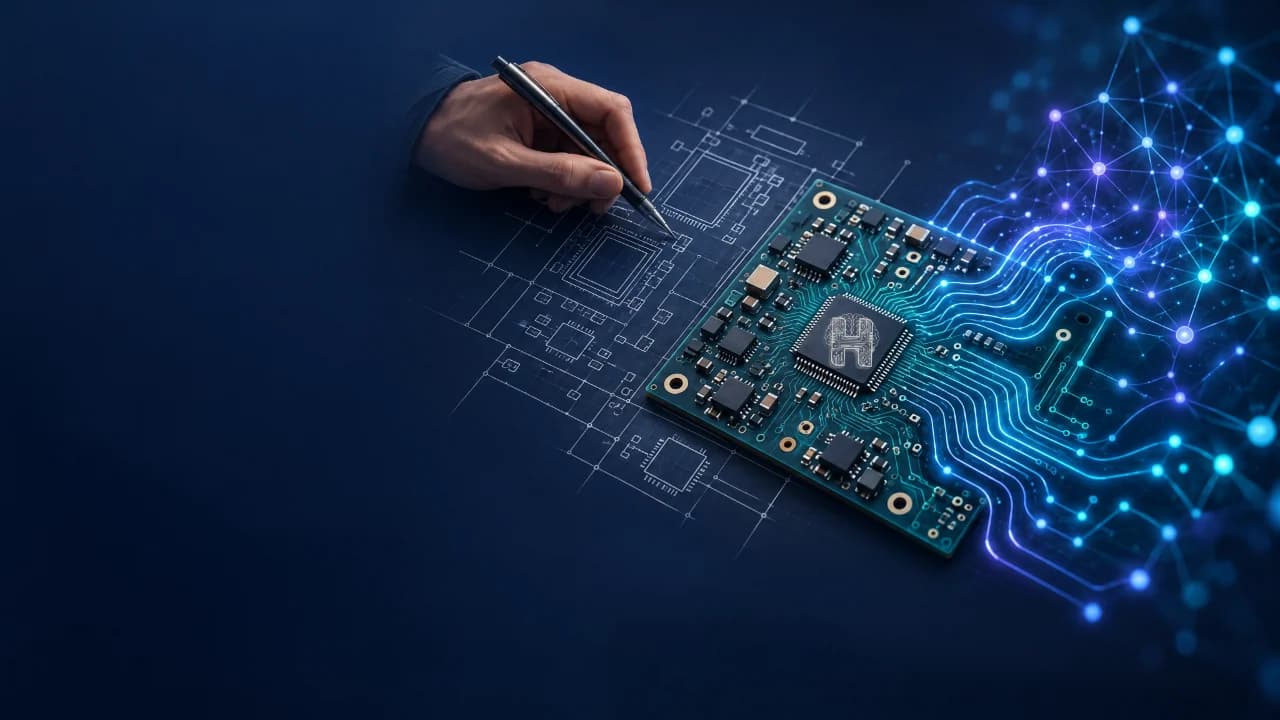
Artificial intelligence is changing how electronic circuits and printed circuit boards (PCBs) are designed. Tasks that once required hours of manual work can now be supported by AI-powered tools, from generating circuit schematics to assisting with PCB layout and design verification. But will AI replace PCB designers, or will it change how they work?
The answer is more complex than a simple yes or no. AI in PCB design can automate parts of the workflow, but engineering knowledge, testing, and human judgment remain essential. Tools such as Helektron.ai are helping make AI-assisted circuit and PCB design more accessible to engineers, students, hobbyists, and beginners.
What Can AI Do in PCB Design?
Modern AI PCB design tools can support several stages of electronic design. Depending on the tool, these capabilities may include:
- AI circuit design: Helping users translate circuit requirements into schematic designs.
- AI PCB layout: Assisting with component placement and board organization.
- AI PCB routing and autorouter: Helping establish electrical connections between components.
- PCB design automation: Reducing repetitive tasks and supporting design checks.
These capabilities can save time and help users move from an idea toward a workable design more efficiently. However, AI-generated designs still require appropriate electrical checks, validation, and review before manufacturing.
What Are the Limitations of AI in PCB Design?
AI can assist with design tasks, but it does not automatically guarantee a correct or manufacturable PCB. Complex electrical requirements, thermal management, signal integrity, electromagnetic compatibility, and manufacturing constraints can require detailed engineering decisions.
- Missing context: AI doesn’t know your product’s real-world constraints
- High-speed, RF, and power design: these need deep expertise
- Unreliable data: AI can suggest wrong or unavailable parts
- Accountability: a human must sign off on a board that gets manufactured
How Helektron.ai Is Making AI-Powered PCB Design More Accessible
Helektron.ai brings AI into the circuit and PCB design workflow through a browser-based platform, allowing users to work without downloading traditional desktop design software.
Instead of starting entirely from manual schematic drawing, users can describe their circuit ideas and work toward a design with AI assistance. This approach can make electronics design more approachable for beginners while helping experienced users explore and develop circuit concepts.
Helektron focuses on making the design process more accessible by connecting natural-language input with AI-assisted electronics workflows. Rather than requiring every user to begin with detailed knowledge of schematic drawing, it offers a way to approach circuit design from the requirements of a project.
For example, a user developing a simple LED driver or a sensor circuit can begin by describing the intended function. Helektron AI can help turn that idea into virtual circuit design. The resulting design must still be checked for component compatibility, electrical correctness, and practical implementation.
For users exploring the best AI tools for PCB design, Helektron.ai offers a browser-based alternative to workflows that depend on installing desktop applications. Its relevance extends from beginners learning circuit concepts to users looking for a more accessible way to explore AI circuit design.
AI vs Manual PCB Design: Which Is Better?
Ai or Manual PCB design depends and varies from situation to situation. Manual PCB design gives engineers direct control over component selection, schematic development, placement, routing, and design decisions. AI-assisted design can reduce repetitive work, help generate starting points, and accelerate parts of the workflow. A practical approach combines both: use AI to assist with suitable tasks and apply engineering expertise to review, improve, and validate the results.
What Is the Future of PCB Design?
The future of PCB design is likely to involve increased collaboration between engineers and AI tools. As PCB design automation progresses, designers may spend less time on repetitive tasks and more time on architecture, optimization, testing, and problem-solving.
This also raises questions such as “Will AI replace electrical engineers?” and “Can AI replace electronics engineers?” Although AI may change some job responsibilities, electronics professionals will continue to need technical knowledge to evaluate designs, troubleshoot failures, and meet real-world requirements.
For anyone wondering, “Is PCB design a good career?”, studying AI-assisted design along with circuit theory, PCB layout, signal integrity, and verification can be a practical way to get ready for the changing industry trends. As automation continues to develop, the roles and skills needed for PCB designer jobs may evolve, making adaptability an increasingly important trait. For further details contact Team Helektron at +91 87965 06854 Read- BOM Cost Reduction: 6 Proven Ways to Cut Your PCB Bill of Materials Visit website- Helektron.ai